
In today’s world, where food quality and nutritional value are often questioned, frozen fish has become an extremely attractive and safe choice for everyday meals. The combination of safety, nutritional benefits, ecological sustainability, and economic efficiency makes frozen fish a highly appealing option for consumers seeking reliable, high-quality food. Whether it’s about maintaining health, reducing food waste, or simply enjoying a daily nutritious diet, frozen fish represents a dependable and sustainable choice for everyone.
Frozen Fish Retains Its Nutritional Value
When choosing between fresh and frozen fish, we are often influenced by myths that underestimate the value of frozen fish. However, properly frozen fish can offer the same—or even higher—nutritional value compared to fresh fish. The key lies in the freezing process, which begins immediately after the catch. Freezing at very low temperatures (below -40ºC) prevents the onset of bacterial degradation, preserves flavor, texture, and nutrients, and extends the fish’s freshness without any loss of nutritional properties.
One of the greatest advantages of frozen fish is the stability of its nutritional value. The freezing process minimizes enzymatic degradation that can occur in fresh fish during transport and distribution, meaning the fish retains most of its nutrients, flavor, and texture. Frozen fish preserves high levels of key nutrients that support our health, including protein, omega-3 fatty acids, vitamins A, D, E, and K, as well as minerals such as iodine, iron, calcium, and selenium. These nutrients promote healthy skin, bones, heart, and immune system, making fish an important part of a daily diet.
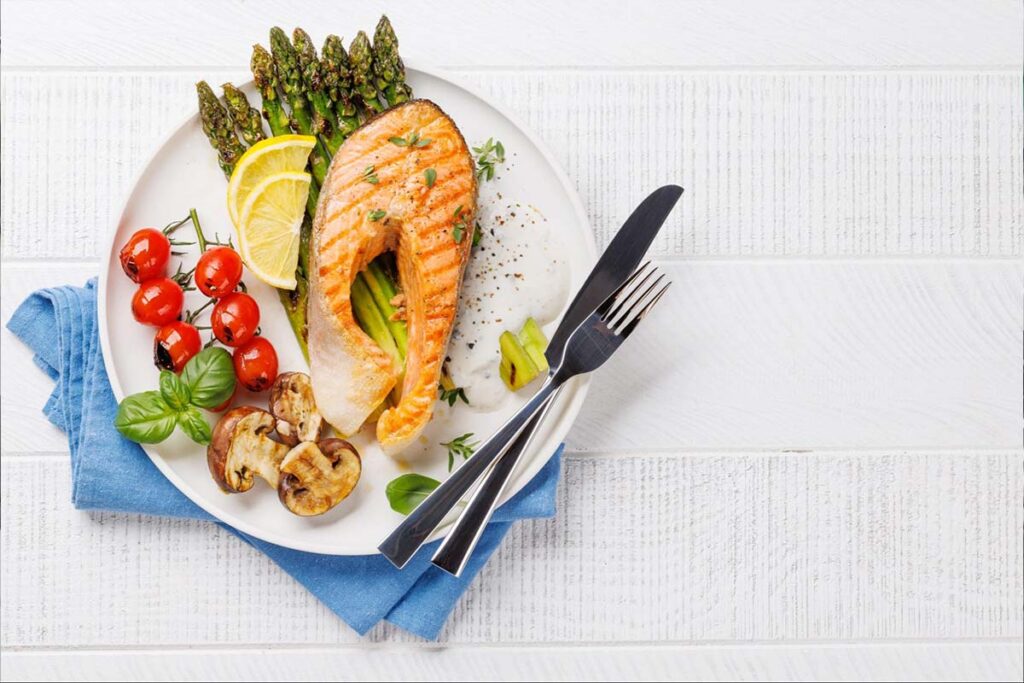
Omega-3 fatty acids found in fish have a beneficial effect on heart health, reduce inflammation, regulate blood pressure, and support brain function. Properly stored frozen fish can contain higher levels of omega-3 fatty acids compared to fresh fish, as freezing prevents oxidation and rancidity of these valuable fats, which are otherwise sensitive to prolonged transport.
Frozen fish is not only convenient but also highly nutritious. By including frozen fish in your diet, you can ensure a regular intake of omega-3 fatty acids, vitamins, and minerals without worrying about nutrient loss. Whether it’s for heart health, strengthening the immune system, or maintaining dietary balance, frozen fish is an excellent choice for anyone who wants to enjoy a healthy and well-rounded diet year-round.
Freezing Can Improve Safety
Frozen fish offers numerous advantages, one of the most important being safety. Freezing at extremely low temperatures immediately after the catch effectively prevents the growth of bacteria, viruses, and parasites, significantly reducing the risk of foodborne illness. For example, the parasite Anisakis, which can cause serious digestive issues, does not survive freezing, making frozen fish safer to consume. While fresh fish is not necessarily unsafe, its safety can be compromised due to longer transport and distribution processes, which allow microbial growth. In contrast, frozen fish is rapidly frozen after capture, halting any bacterial or enzymatic degradation.
Studies show that freezing can also eliminate other potential pathogens, including bacteria such as Salmonella and Listeria, which are associated with fresh fish products. These microorganisms can cause serious infections, and proper freezing acts as a natural disinfectant. Frozen fish also reduces the risk of foodborne illnesses, such as those caused by Vibrio bacteria, making its consumption safer.
In addition to safety, the quality of the fish remains intact, as freezing preserves its texture and consistency. While fresh fish can degrade in quality due to exposure to air and heat during transport, frozen fish maintains its structure and flavor, making it an ideal choice for meal preparation.
Frozen Fish Can Be of Higher Quality Than “Fresh”
Frozen fish is often considered inferior to fresh fish, but in reality, properly frozen fish can be more nutritious and of higher quality than fresh fish. The key difference lies in processing and transport time. Frozen fish is usually frozen immediately after being caught, which locks in its nutrients, such as vitamins and minerals, at the moment of capture. In contrast, fresh fish traveling from fish markets or stores may be several days old before reaching the table, leading to nutrient loss during that time.
Studies have shown that fresh fish begins to lose its quality within just two days. This occurs due to enzymatic processes that affect the texture and flavor of the flesh, as well as the loss of vitamins and minerals, especially those sensitive to oxidation, such as vitamin C and omega-3 fatty acids. Research has indicated that the concentration of omega-3 fatty acids in fresh fish decreases by approximately 15% just 48 hours after being caught.
In contrast, frozen fish remains nutritionally stable because it is frozen immediately after being caught at temperatures below -40ºC. Such low temperatures halt all enzymatic processes, preserving all nutrients, texture, and flavor. Research has also shown that freezing can help maintain high levels of omega-3 fatty acids, which are essential for heart and brain health. Interestingly, freezing also reduces the risk of oxidation that can occur during the transport and storage of fresh fish.
Another study conducted by researchers at the University of Bologna indicates that properly frozen fish retains about 90% of its nutritional properties, while fresh fish can lose up to 25% of its vitamins and minerals during transport and distribution. Frozen fish also preserves high levels of key nutrients such as vitamins A, D, and E, as well as minerals like iodine, calcium, and iron, which are important for bone health, the immune system, and skin.
Frozen Fish Without Preservatives
Modern freezing technology allows the preservation of fish freshness, flavor, and nutritional properties in a way that eliminates the need for chemical preservatives. The rapid freezing process makes frozen fish an excellent choice, as it does not require artificial additives to remain safe for consumption and maintain its quality.
Freezing at very low temperatures (below -40ºC) prevents the growth of microorganisms and halts processes that lead to spoilage. In this way, frozen fish remains safe for consumption and can be stored much longer than fresh fish without the need for preservatives. Scientific research shows that freezing not only inhibits the growth of bacteria and mold but also ensures the microbiological safety of the product, which is essential for protecting consumer health.
Unlike fresh food, which often requires processing and preservation with additives such as salt, sugar, or sodium, freezing is a completely natural preservation method. Frozen fish can remain safe and nutritionally valuable without the need for artificial additives. Advanced technologies allow the freezing process to be fast and efficient, minimizing nutrient loss while preserving taste and texture. This means that fish quickly frozen immediately after being caught can be just as nutritious and flavorful as fresh fish, with the added benefits of safety and extended shelf life.

In addition to not requiring preservatives, frozen fish can also be a healthier option compared to canned foods. Many types of frozen vegetables and fruits contain no added sodium, making them a better choice than products preserved with chemical agents. Similarly, frozen fish can be an excellent alternative to fresh fish that may already be several days old and prone to nutrient loss.
Freezing Helps Preserve the Environment
Frozen fish is not only a safe and nutritionally rich choice but also offers numerous ecological and economic benefits. By using freezing, which allows for an extended shelf life, food waste is reduced—one of the key challenges in the food industry. Research shows that frozen products have lower waste rates because they can be stored for longer periods and used as needed, reducing the overall amount of food ending up in the trash. Less food waste also lowers greenhouse gas emissions associated with production, distribution, and disposal.
Interestingly, transporting frozen fish has a lower carbon footprint than transporting fresh fish. Air transport, often used for fresh fish, produces up to 10 times more greenhouse gas emissions than shipping by sea, meaning frozen fish contributes to reducing CO2 emissions. Additionally, frozen fish is not subject to seasonal variations or price fluctuations, remaining available year-round at a consistent price without compromising quality or quantity.
From an ecological sustainability perspective, freezing also helps reduce waste. Long-term storage of frozen fish allows for precise portion control, minimizing the need for rapid consumption and reducing the amount of fish discarded. This approach also decreases the need for chemicals or preservatives, as rapid freezing preserves food quality without the need for additional additives.
In the context of sustainability, it is also important to consider the origin of the fish. Aquaculture, as a sustainable alternative to wild capture, reduces pressure on natural fish populations and protects river ecosystems. Purchasing certified products from sustainable sources supports ethical farming, lessens the strain on wild species, and contributes to maintaining ecological balance.
All of these advantages make frozen fish a more sustainable, environmentally friendly, and economically efficient choice. In addition to protecting the environment by reducing CO2 emissions and waste, it ensures a stable supply of fish year-round at competitive prices. By choosing frozen fish, consumers can enjoy a healthy diet while simultaneously supporting sustainable sources and minimizing their environmental impact.
No Impact on Taste When Properly Frozen
With proper freezing, fish retains all its key nutrients, flavor, and texture, and the freezing process prevents the quality loss that often occurs in fresh products during transport and storage. This ensures that frozen fish can be just as, if not more, nutritionally valuable than fresh fish that may have spent extended time in transit or storage, which can reduce its nutrient content.
Proper freezing of fish involves several key stages: first, the fish is chilled below 0°C, followed by a thermal hold at around –1°C, and finally rapid freezing at –25°C. This process prevents the formation of large ice crystals that can damage the fish’s cell structure, which would otherwise alter texture and cause moisture loss upon thawing. Rapid freezing at temperatures of –40°C allows the water within the fish to freeze quickly into small ice crystals, preserving its structure, firmness, and freshness.

During the freezing process, reducing the size of ice crystals is crucial for preserving fish quality. Large ice crystals can rupture the muscle cells, causing fluid loss and consequently altering the fish’s texture and flavor. Rapid freezing prevents this issue, allowing the fish to retain its firmness, juiciness, and taste even after long-term storage. This process also prevents fat oxidation and vitamin loss, particularly omega-3 fatty acids, which are essential for the fish’s nutritional value.
Frozen fish can maintain its quality for several months if stored properly. While most frozen fish can last up to six months without quality loss, more delicate fish species are best consumed within a month of freezing to preserve their freshness and texture. For optimal storage, fish should be kept at –18°C or lower. The thawing process also plays an important role in maintaining quality. It is best to thaw fish slowly in the refrigerator to preserve its texture and nutritional value.
Frozen fish is not only a convenient choice but also a sustainable, safe, and nutritionally rich addition to the diet. It ensures quality, longevity, and ease of preparation while supporting health and dietary habits. Regardless of a busy lifestyle, frozen fish provides a simple way to incorporate essential nutrients into daily meals. In this way, it becomes not only beneficial but also a responsible choice, helping to reduce waste and preserve resources for the future.