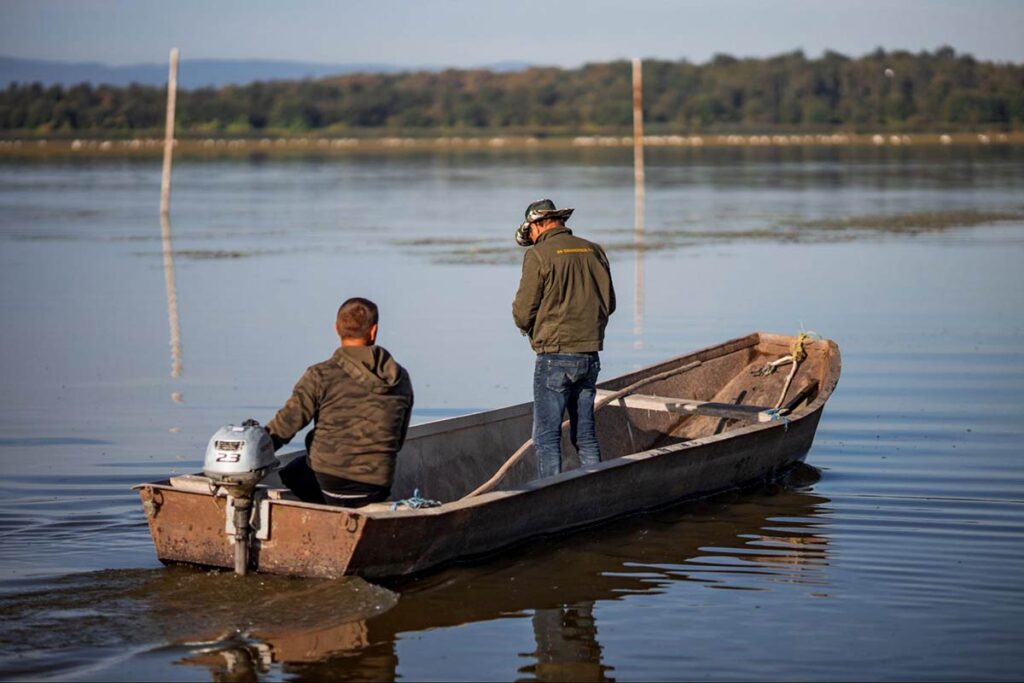
For many, cleaning fish can be a headache, but the good news is that there are species that have almost no bones. Below, we reveal which fish have the fewest bones and provide practical tips for buying and preparing them.
Fish doesn’t have to be a hassle – with the right choice and a few simple tricks, you can fully enjoy healthy and tasty meals without worrying about bones.
Boneless Fish – Myth or Reality?
Many believe that truly boneless fish is hard to find, especially among freshwater species. However, this is not entirely true. There are fish with a simpler bone structure, and with proper preparation and filleting, you can enjoy a meal without fear of bones while still experiencing the full flavor that fish offers.
All fish can be divided into two major groups – bony fish (with a skeleton made of bones) and cartilaginous fish (with a skeleton made of cartilage). Cartilaginous fish generally have fewer, larger, and easily noticeable bones, while bony fish often have small, almost invisible bones that can be bothersome when eating. Among freshwater fish, most belong to the bony fish group, which makes it important to know which species have more and which have fewer bones.
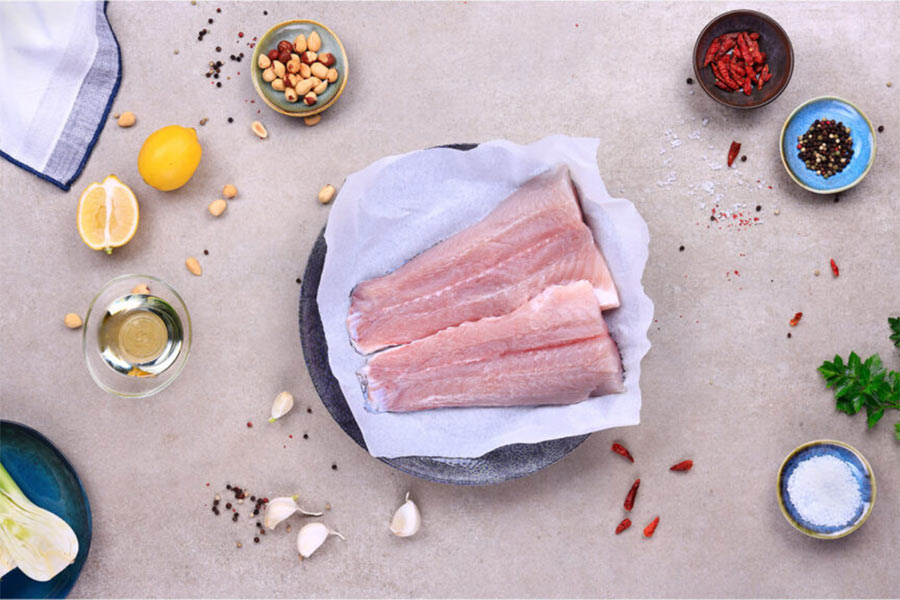
When we want to avoid small bones, we look for species that have as few so-called intermuscular bones as possible. Carp is known for them, but with proper preparation, it becomes much easier to eat. Pike-perch and catfish naturally have fewer bones and are often chosen by those who want simpler fish meals. In addition, grass carp and bighead carp are also among the valued freshwater species due to their quality meat and low bone content, making them ideal for easy and worry-free preparation.
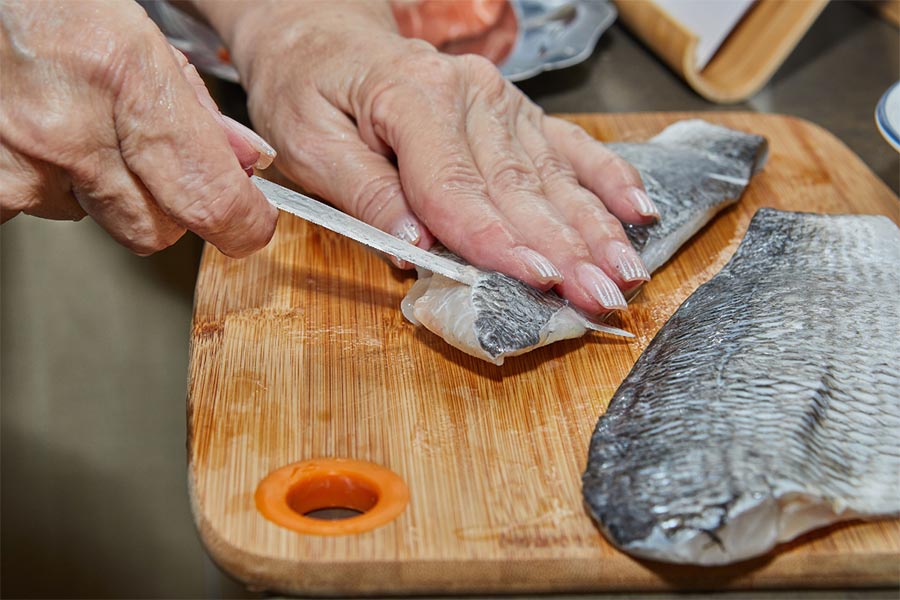
When fish is properly filleted, the problem of bones almost disappears – especially in species that already have a simpler bone structure. Therefore, it is important, along with choosing the right species, to select a reliable supplier who provides expertly processed fillets.
Tips for Buying and Preparing Boneless Fish
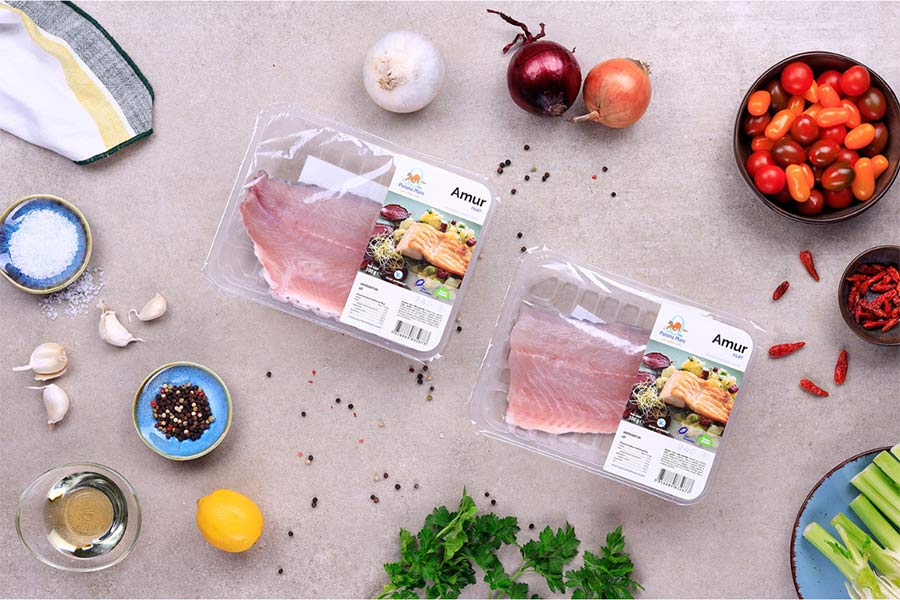
If you are buying fish and want to know which species have the fewest bones, choose those known for a simple bone structure and meat with few small bones. For freshwater fish, recommended options include fillets of pike-perch, catfish, trout, as well as grass carp, bighead carp, and specially processed carp, which can be found in the Panona Mare selection. In our case, the fish is packaged under strictly controlled hygienic and atmospheric conditions, ensuring top quality and nutritional value throughout its shelf life.
If you fillet fish yourself, especially freshwater fish, use a sharp, thin knife for precise cuts, remove the main bones, and pull out small intermuscular bones with tweezers. Fish can be prepared in various ways to fully enjoy its texture and flavor. Steaming highlights the natural taste of the fish, baking with herbs and olive oil provides a rich yet light meal, while firmer species like catfish and grass carp are perfect for grilling as they hold their shape well.
Top 3 Boneless Fish Fillets
If you are looking for fish with the fewest bones, Panona Mare offers excellent fillets that are carefully cleaned and ready for preparation. The three most popular freshwater fish for worry-free enjoyment without concern for bones are fillets of grass carp, bighead carp, and carp.
Grass carp is known as a freshwater fish with the fewest bones, featuring firm, white flesh and a delicate flavor. The fillets come without skin and main bones, perfect for quick preparation without additional cleaning. They are ideal for baking, steaming, and grilling.
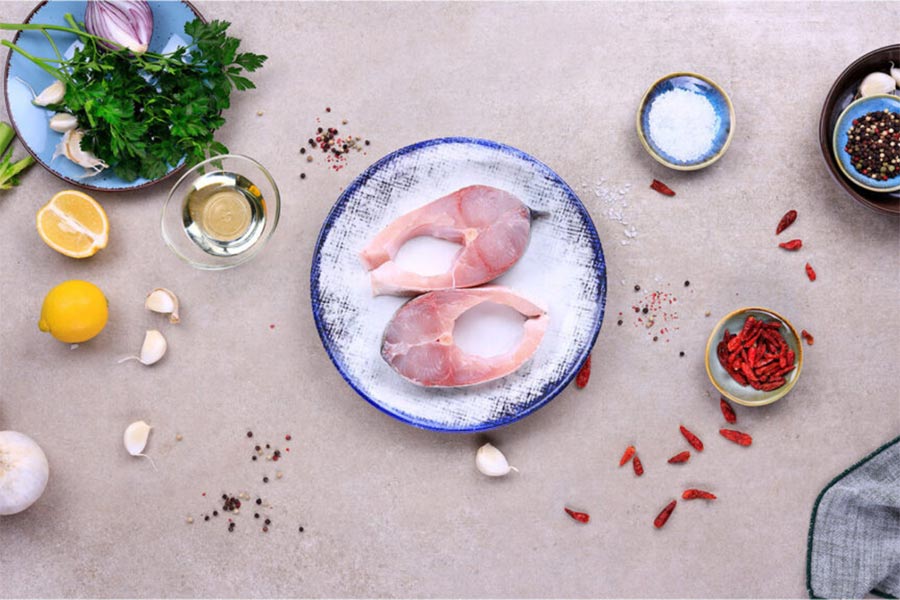
Bighead carp has mildly fatty and very juicy flesh. Although it naturally contains slightly more bones, Panona Mare fillets are carefully cleaned and ready for grilling, baking, and light fish soups.
Carp is often considered a fish with more bones, but Panona Mare fillets are expertly processed to minimize their number. Known for its rich, slightly sweet flavor, carp is excellent for frying and baking.
With expertly cleaned fillets, you no longer have to worry about which fish has the fewest bones, so every choice brings pure enjoyment.
Top 4 Boneless Fish Steaks
For lovers of juicy and convenient fish steaks, Panona Mare offers a premium selection of fish with the fewest bones, carefully cut and cleaned.
Catfish is known for its firm flesh and almost complete absence of small bones, making it ideal for baking, frying, and grilling. Grass carp, with its tender white flesh, comes without main bones, is easy to prepare, and retains its shape, making it a frequent choice for those looking for fish with the fewest bones.
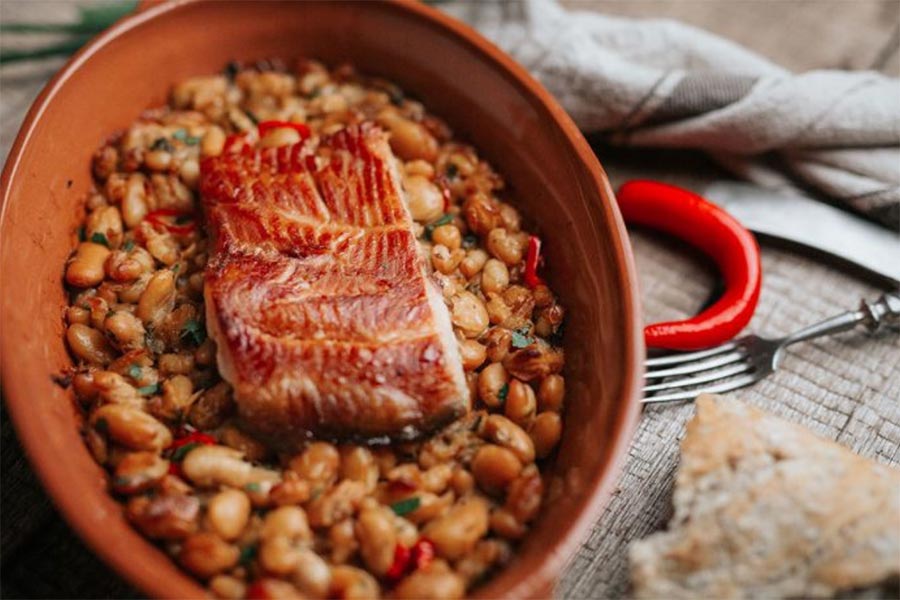
Bighead carp offers mildly fatty, juicy flesh, and although it naturally has slightly more bones, in this form the steaks are practical and suitable for grilling, baking, or soups. Finally, carp, although rich in bones, becomes more accessible for everyday meals thanks to expert processing, with a rich, slightly sweet flavor.
Whether you choose catfish, grass carp, bighead carp, or carp, Panona Mare steaks provide a simple and tasty solution for any meal.
Ideal Fish for Children and Those Who Don’t Like “Picking Through” Their Plate
For many, especially children or those bothered by searching for bones while eating, fish often seems like too much effort for too little enjoyment. However, fish doesn’t have to be a hassle! By choosing fish with the fewest bones – whether you opt for carefully cleaned fillets of grass carp, bighead carp, carp, or juicy catfish steaks – you can enjoy all the benefits that fish provides.
Knowing which fish has the fewest bones means knowing what to look for – species that naturally have fewer bones, properly cleaned fillets, or steaks from reliable sources like Panona Mare. Especially among freshwater fish, there is a great selection for anyone who wants a healthy, tasty, and simple fish dish.
Next time you buy fish, remember – the right choice of species and quality processing brings you more enjoyment and less hassle. Fish can be a perfect meal for the whole family, even for the pickiest eaters, when you know you’ve chosen the right fish.