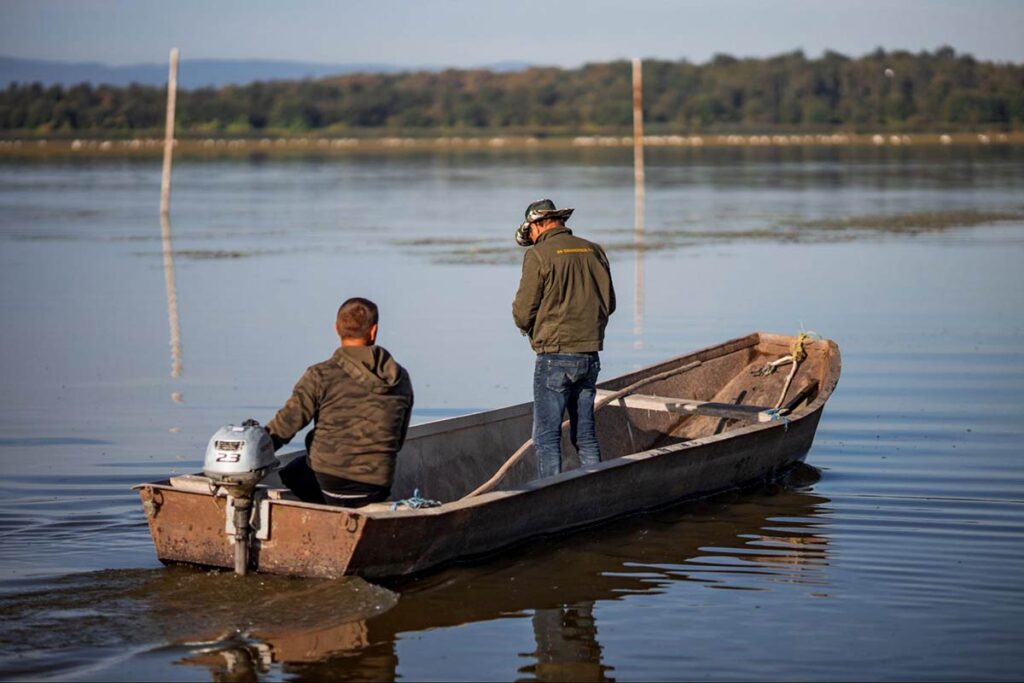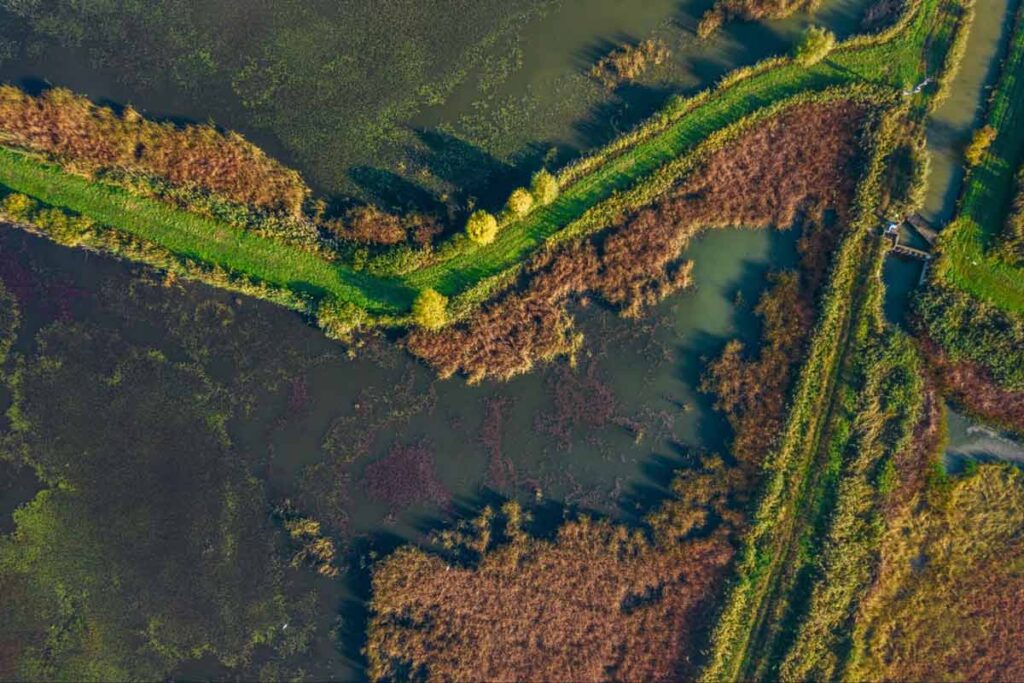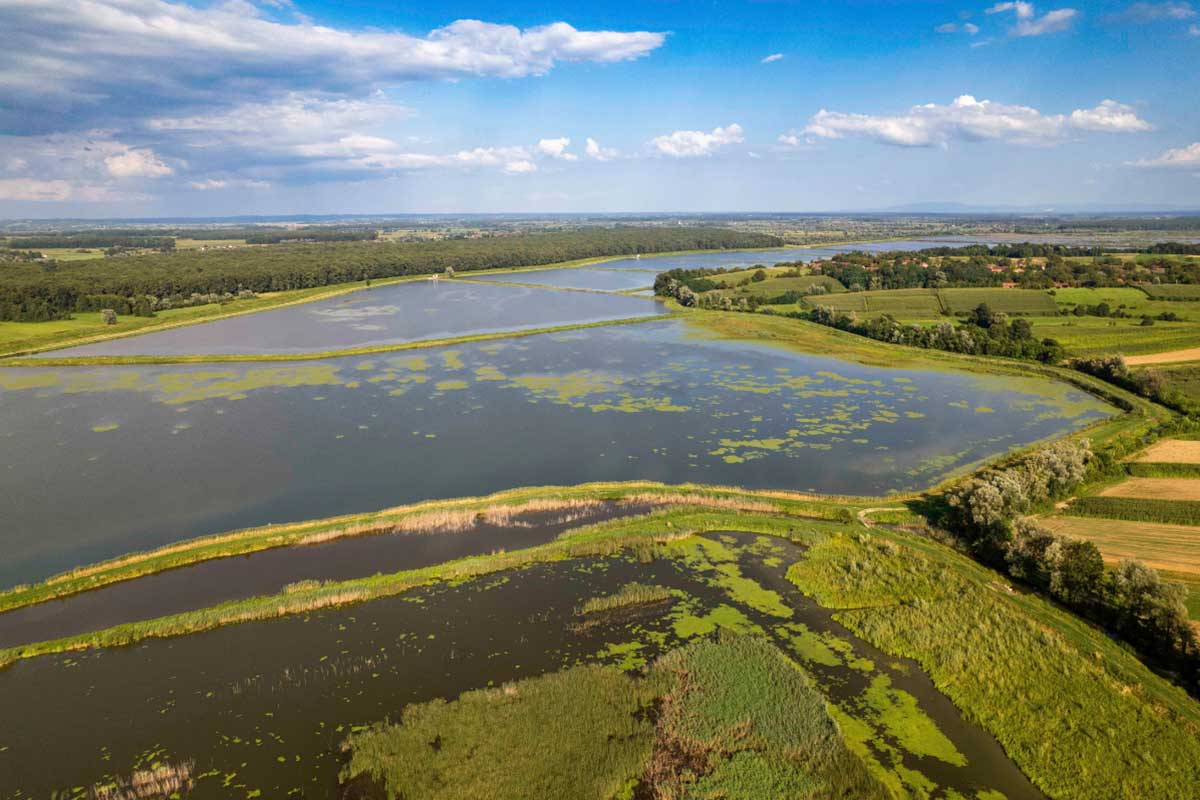
Discover our fish farms – natural oases spread across Croatia, where pure water and untouched nature create the perfect conditions for raising high-quality freshwater fish. From the plains of Slavonia to the gentle landscapes of central Croatia, our fish farms boast a long tradition of aquaculture dating back to the Middle Ages. Today, these fish farms are not only vital for fish production but also for preserving biodiversity, providing a habitat for numerous bird and plant species. Their importance lies in protecting natural habitats and maintaining the harmony between people and nature, making them an indispensable part of Croatia’s ecosystem.
Donji Miholjac Fish Farm
The Donji Miholjac Fish Farm, located in the heart of Slavonia, is a true gem among Croatia’s natural systems. As the largest freshwater fish farm in the country, it stretches across an impressive 1,017.9 hectares and is connected to the Drava River, which provides an unlimited supply of water essential for fish production. This complex system enables the smooth progression of all stages of aquaculture, including:
Broodstock pond: Breeding and maintaining brood fish used for further reproduction.
Spawning pond: The process of natural or artificial breeding of fish fry.
Nursery and rearing pond: Stages that ensure ideal conditions for the growth of young fish.
Fingerling pond: Intensive farming of fry until they reach the desired size.
Grow-out pond: The final stage of farming, when the fish reach market size.
Wintering pond: Specialized basins adapted for fish overwintering.
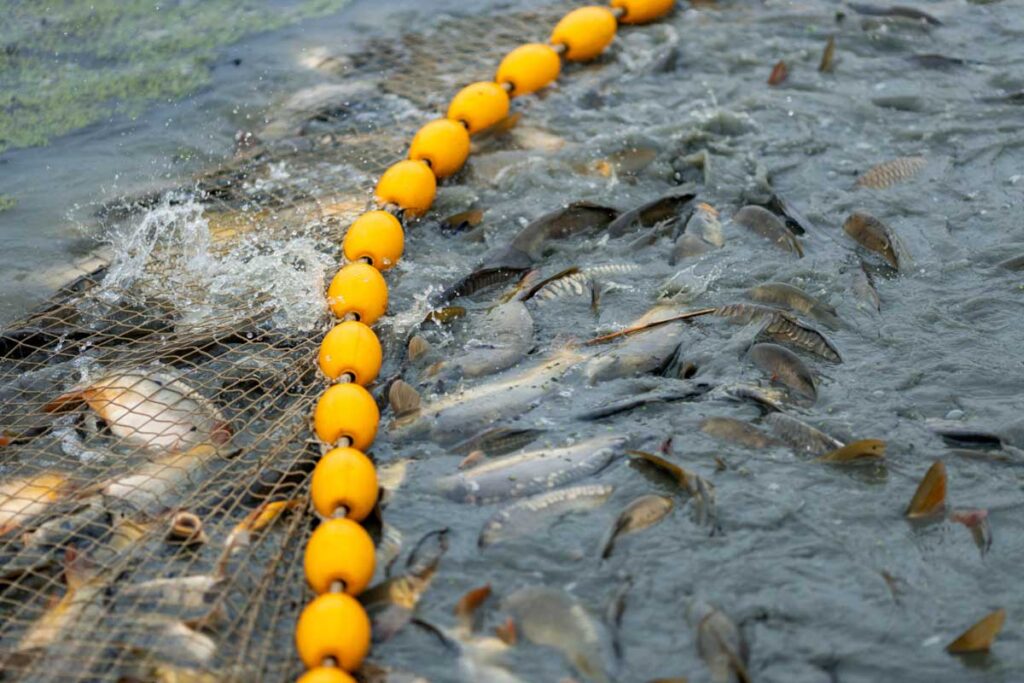
The Donji Miholjac Fish Farm is a true example of ecological sustainability in aquaculture, enabling the continuous farming of species such as carp, pike, pike-perch, and catfish. These species are distinguished by their exceptional purity and quality of taste, which result from preserved ecological balance and careful environmental management. The fish farming tradition in Donji Miholjac dates back to the early 20th century, and the farm’s location between the Drava River and the surrounding wetlands provides ideal conditions for biodiversity. Many wetland birds, various fish species, and other aquatic organisms thrive here, making the fish farm an important contributor to the preservation of natural resources and the quality of fish.
The fish farm also applies modern technologies that minimize negative environmental impacts, while the water used for fish farming comes from the clean sources of the Drava River and nearby streams. This sustainable approach not only ensures high-quality fish production but also contributes to the preservation of biodiversity and ecosystem balance. Through its commitment to protecting nature, the Donji Miholjac Fish Farm sets high standards of ecological responsibility within the aquaculture industry.
Jasinje Fish Farm
The Jasinje Fish Farm, located in the Brod-Posavina County, is one of the key aquaculture sites in Croatia and a true gem of the country’s fishing tradition. Covering an area of 1,128.2 hectares, the farm’s elevation of 83 meters above sea level creates a specific microclimatic environment that is ideal for raising various fish species.
The Jasinje Fish Farm is renowned for its long tradition of carp farming, as well as other freshwater species. Experts apply modern techniques to optimize all stages of production—from spawning ponds, through nurseries and rearing ponds, to grow-out ponds and wintering basins. Each stage of farming is carefully adapted to the specific needs of the fish, ensuring high product quality.
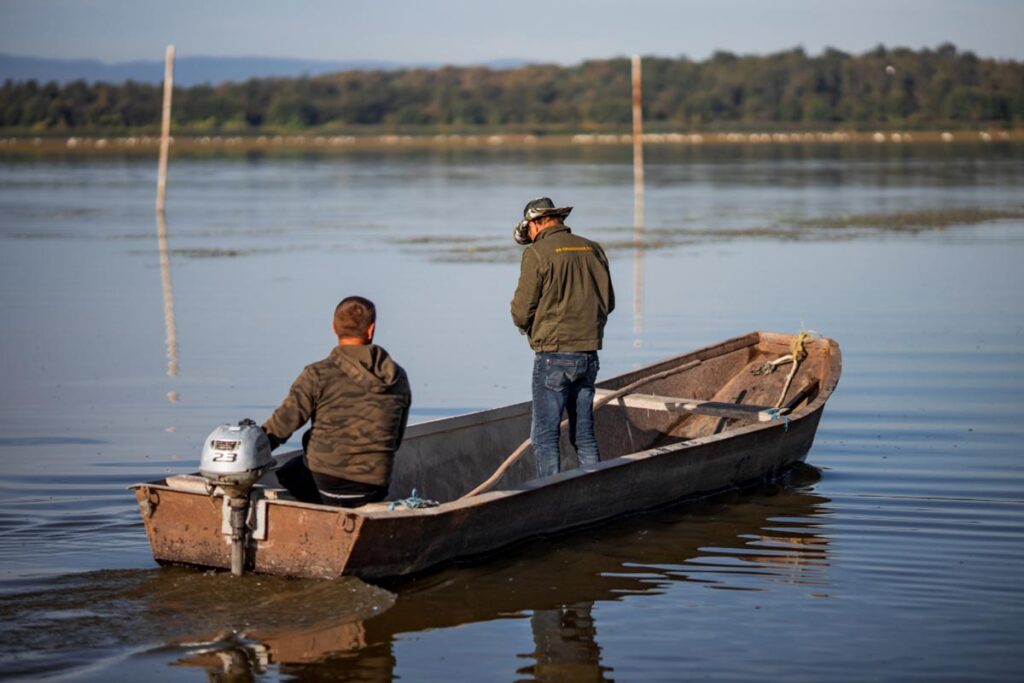
Thanks to its size and organization, the Jasinje Fish Farm offers excellent conditions for biodiversity, with numerous plant species, aquatic organisms, and birds inhabiting the area. The farm also places great emphasis on ecological sustainability, using natural water sources and striving to preserve the natural balance. Fish production at Jasinje is based on sustainable practices that minimize negative environmental impacts, ensuring long-term quality and ecological balance.
Grudnjak Fish Farm
Grudnjak Fishery, located at the foot of Mount Papuk, is a true natural paradise and an important ornithological habitat. The total area of the fish farm is 981.2 hectares, of which 34.5% consists of fingerling ponds, while the remaining area is dedicated to grow-out ponds for market fish. Established in 1912, Grudnjak Fishery is one of the oldest in Croatia and a key part of the country’s aquaculture industry, situated near the Orahovica Nature Park. It is part of the broader Virovitica fish pond complex, which includes 12 lakes and wetlands. This fish farm is recognized for its comprehensive production process, covering all stages from broodstock to market-size fish, and practices polyculture farming—meaning that in addition to the main species such as carp, secondary species, including herbivorous fish, are also cultivated.
Grudnjak is one of the largest fish farms in Croatia and Southeast Europe. Nestled in the heart of forests and near mountain springs, it is characterized by exceptional water clarity and purity, which are crucial for the health and quality of the fish. Thanks to these natural advantages, Grudnjak is renowned for producing high-quality carp, herbivorous fish, and other freshwater species. Although Croatia ranks fourth in the EU in terms of farmed fish production, fish consumption is still not very high; however, the trend is growing, and carp remains one of the most popular species.
Given its rich flora and fauna, Grudnjak is not only an important economic resource but also a natural gem offering a peaceful escape into unspoiled nature, while remaining a key element of Croatia’s fish pond landscape.
Lipovljani Fish Farm
The Lipovljani Fish Farm is located near the Zagreb–Lipovac highway and spans an impressive 742.1 hectares. It is part of a larger system of fish ponds managed by the Orahovica Nature Park Public Institution and consists of 20 smaller and larger ponds where fish are cultivated. This fish farm specializes in raising carp, catfish, silver carp, grass carp, as well as both scaled and mirror carp, with a particular focus on fish quality and health.
The Lipovljani Fish Farm includes all the necessary facilities for successful fish farming, from broodstock ponds and nurseries to spawning ponds, rearing ponds, and wintering basins. The ponds allow for intensive fish cultivation, and it is the staff’s responsibility to ensure high product quality and meet market demands.
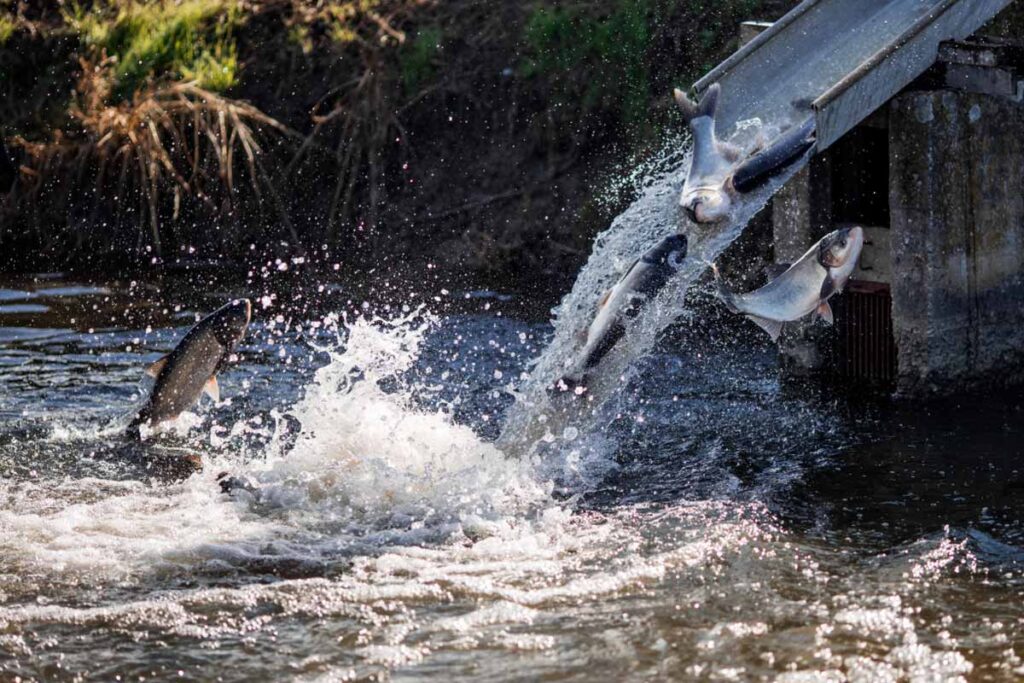
One of the key factors for successful fish farming at the Lipovljani Fish Farm is water quality. Located at the foot of Bilogora, near clean springs and mountain streams, the pond water is crystal clear, which is extremely important for the health of the fish. Additionally, the system is not overcrowded, allowing the fish to grow and move freely. Each water body is carefully managed to prevent sediment buildup, which also contributes to the quality of the fish.
The fish are caught using specialized nets, then sorted and transferred to smaller wintering ponds, where they await distribution to customers.
The Lipovljani Fish Farm is recognized for its ecological sustainability, fish quality, and the variety of products it offers to the market. With over 742 hectares of water, Lipovljani is one of the largest fish farms in Croatia and an important part of the country’s fishing and ecological heritage. Thanks to its specific farming techniques and commitment to ecological responsibility, the Lipovljani Fish Farm serves as a model of sustainable aquaculture in Croatia and Southeast Europe.
Narta Fish Farm
The Narta Fish Ponds, located along the Česma River in Bjelovar-Bilogora County, cover 639.1 hectares, accounting for 21% of the county’s total fish pond area. The Narta Fish Ponds are currently undergoing preparation for reconstruction and modernization, aimed at improving production quality. This revitalization will ensure better production organization while preserving the ecological significance of the area, which is already recognized for its rich biodiversity. As part of the modernization process, infrastructure improvements are planned to increase production capacity while maintaining ecological standards.
Baranja Bilje Fish Ponds
The Baranja Bilje Fish Ponds, also known as the Podunavlje, Bilje, and Belje Fish Ponds, are located in the heart of the Bilje Municipality within Osijek-Baranja County. Covering 685.2 hectares, these ponds are situated within the protected area of Kopački Rit Nature Park, one of the most important wetland habitats in Europe. Built in 1963 between flood-protection embankments in the Kopački Rit floodplain, the ponds use a natural water filling and drainage system, providing unique conditions for freshwater fish farming.
This strategic location provides ideal conditions for the development of biodiversity, as the fish ponds serve as a habitat for numerous bird species and other animals that inhabit wetland areas. In addition to playing a key role in the local fishing industry, the Baranja Bilje Fish Ponds also contribute to the preservation of the Kopački Rit Nature Park ecosystem.
To ensure the further development of this valuable area, plans include infrastructure modernization and sustainable management of the fish ponds, which will simultaneously preserve the natural environment and promote increased production.
Vrbovljani Fish Pond
The Vrbovljani Fish Farm is located in Brod-Posavina County, near the settlement of Vrbovljani, and represents one of the most important fish farming complexes in this part of Croatia. It spans several hundred hectares of water surfaces and is part of the region’s rich tradition of freshwater fish farming. The farm is situated close to the Sava River, providing a natural abundance of water necessary for optimal farming conditions.
This fish farm specializes in raising carp, grass carp, silver carp, and catfish, with great attention given to maintaining water quality and the surrounding environment. A distinctive feature of the Vrbovljani Fish Farm is its location within an ecologically significant area that provides a refuge for numerous bird species, many of which nest and overwinter here. Due to this biodiversity, the fish farm is not only an economic facility but also an important natural reserve.
In addition to traditional fish farming, the Vrbovljani Fish Farm invests in modernizing its production capacities to achieve higher productivity and sustainability. The goal is to preserve natural resources while meeting market demand for high-quality freshwater fish, which is distributed from the farm throughout Croatia. Planned investments include infrastructure improvements, optimization of farming processes, and the introduction of new technologies for monitoring and controlling fish and environmental quality.
Pisarovina Fish Farm
The Pisarovina Fish Farm, located in Zagreb County between the Vukomeričke Hills, the Kupa River, and the Draganić Forest, is one of the important fishing and natural areas in this part of Croatia. The farm covers 464.6 hectares, divided into 11 ponds, and is situated just 25 km from Zagreb and Jastrebarsko, near the settlement of Pisarovina.
The fish farm was established in 1918 on the marshlands between Pisarovina and Donja Kupčina, and today it plays a key role not only in fishing but also in preserving natural habitats for wetland birds. Among the most important species that nest here is the whiskered tern (Chlidonias hybrida), which prefers marshy areas with abundant aquatic vegetation such as water lilies and lotuses. In addition to terns, the farm is also home to the great reed warbler (Acrocephalus arundinaceus), further enriching the ornithological diversity of the area.
The Pisarovina Fish Farm represents an exceptional example of the coexistence of economy and nature, where fishing activities go hand in hand with biodiversity conservation. This area plays a key role in protecting ecological balance and contributing to the sustainability of natural habitats in Zagreb County.
Kaniška Iva Fish Farm
The Kaniška Iva Fish Farm, located in the northwestern part of Croatia, covers 487.1 hectares and is one of the region’s most significant artificial aquatic habitats. Known for freshwater fish farming, the farm specializes in carp production, which dominates the entire system, while other species such as grass carp and silver carp are also commonly raised. These species play a key role in maintaining ecological balance within the ponds, contributing to the health of the aquatic ecosystem.
Thanks to its size and the diversity of its water bodies, the Kaniška Iva Fish Farm is also an important ornithological area, attracting numerous bird species, including wetland birds and birds of prey. These species regularly inhabit the farm, making Kaniška Iva a significant contributor to regional biodiversity conservation.
The fish farm plays a significant economic role, as the cultivated fish provide fresh and high-quality products for local markets. Further infrastructure modernization is planned to improve farming processes, increase production efficiency, and ensure the sustainability of this valuable resource.
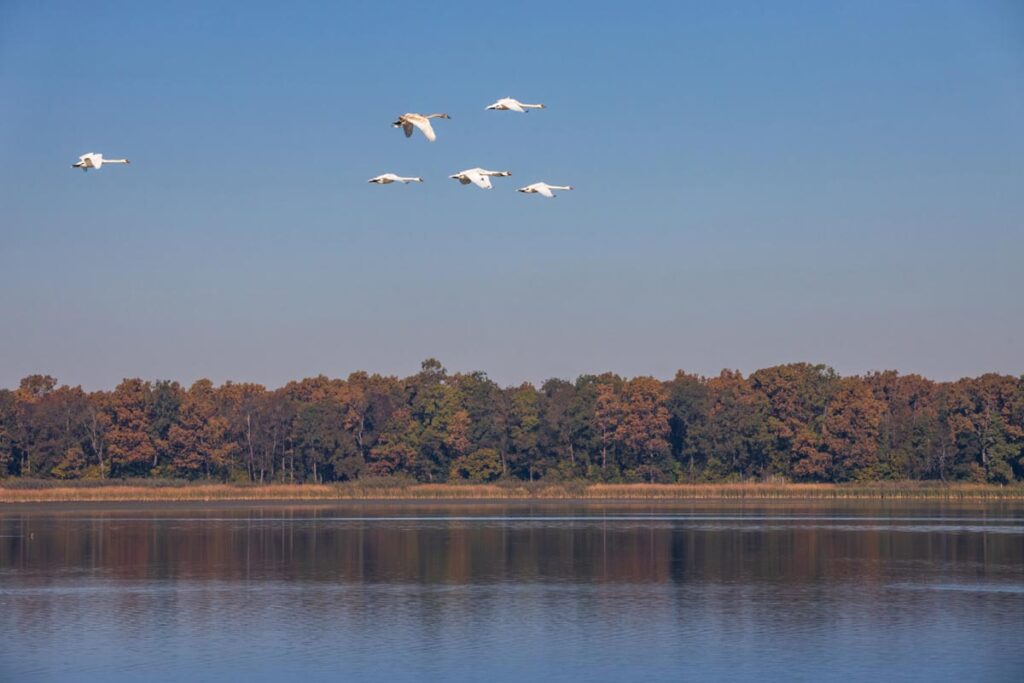
Fish farms in Croatia are not only sites for fish cultivation but also important ecological systems that preserve natural balance and biodiversity. With an annual production of 13,000 tons of fish and a range of 48 different products, these fish farms demonstrate their significance in the food industry and sustainable development. Their role goes beyond economic value, as through sustainable production and the preservation of natural habitats, they contribute to environmental protection and provide an example of how human-nature coexistence can be a key to success for future generations.