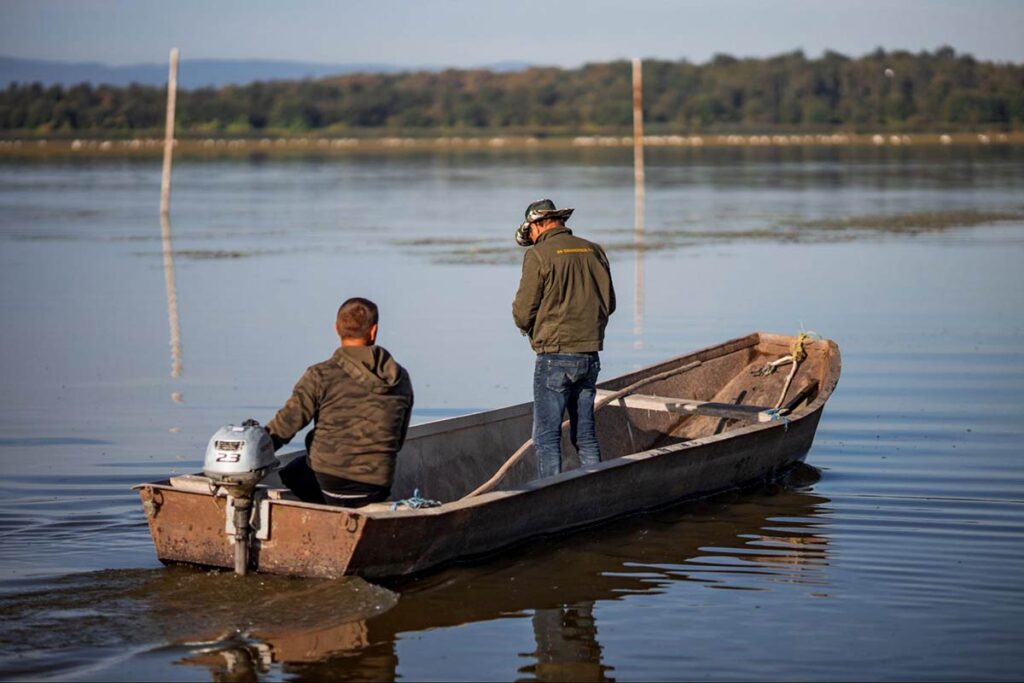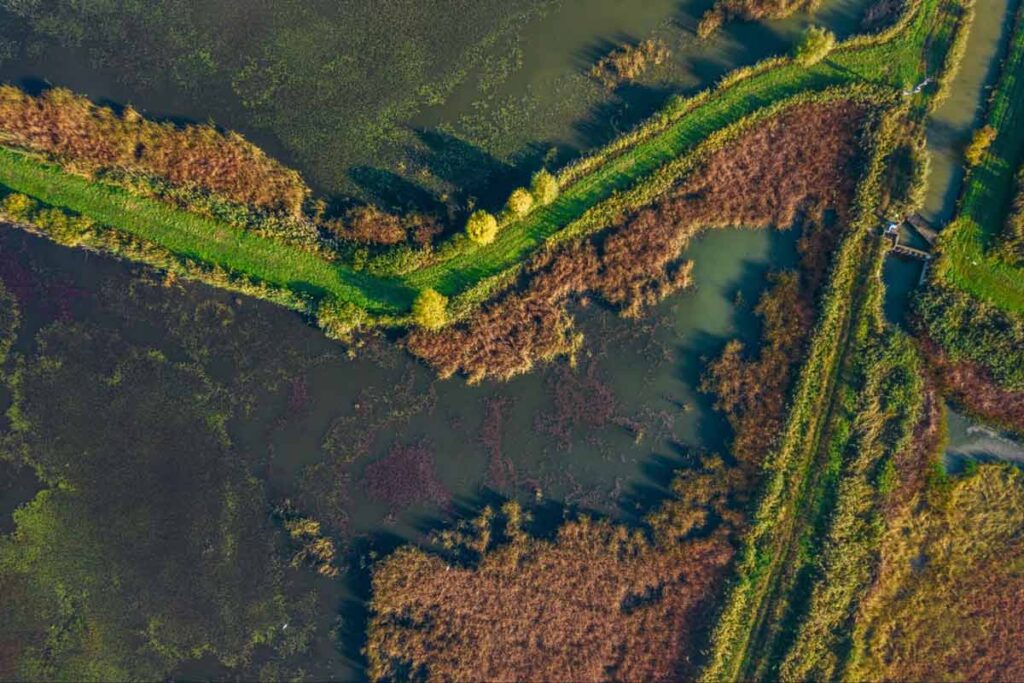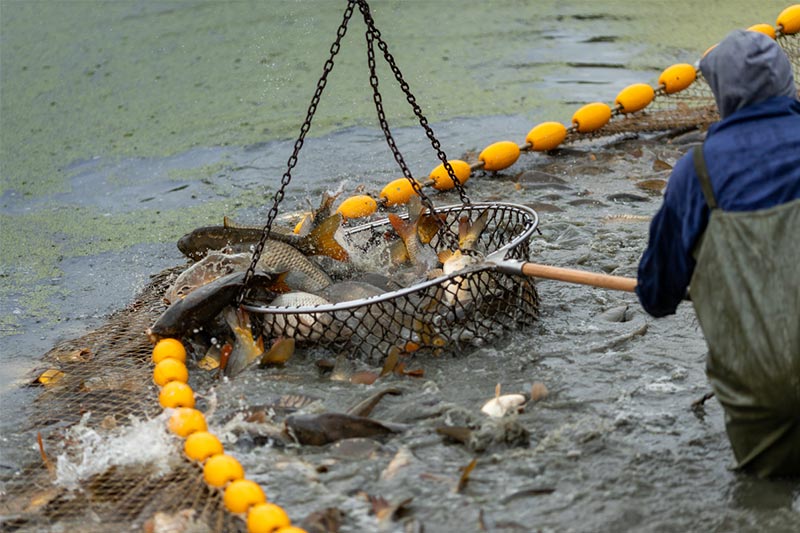
The tradition of fishing and fish processing in Croatia has a long history, playing a key role in the country’s economic development. The history of freshwater fish processing dates back to the Middle Ages, when carp ponds became an important source of food and trade. At the beginning of the 20th century, large carp fisheries were established in Poljana, Končanica, Našice, and other areas suitable for cultivation. Later, fish farming facilities were integrated into industrial complexes, enabling the modernization of the sector.
In the freshwater fish processing industry, the main products include fresh, smoked, and canned fish, as well as fillets. Among the most valued products are smoked trout, carp, and canned fish, which are highly sought after on the domestic market. This sector continues to play a key role in economic stability and employment in rural areas of Croatia, thereby contributing to the preservation of cultural heritage and traditional processing methods.
Although the freshwater fish processing industry faces challenges such as sustainability and competition, the sector holds great potential for growth. Through innovation, sustainable practices, and the application of new technologies, it can contribute to preserving cultural heritage, creating new jobs, and strengthening Croatia’s competitiveness in the global fish products market.
Ecological Practices in the Fish Industry
Ecological practices have become essential for preserving freshwater ecosystems and maintaining the balance of fish stocks. Despite challenges, there are initiatives that support sustainable fish farming and responsible purchasing. This includes choosing fish of appropriate size, avoiding juvenile fish, and encouraging dietary diversity to reduce pressure on certain species. For aquaculture, good environmental conditions—especially water quality—are crucial. When managed properly, aquaculture can be a sustainable method of protein production with a lower ecological and carbon footprint compared to other forms of farming. Moreover, well-managed aquaculture plays a significant role in the fish processing industry, reducing negative impacts on ecosystems.
Failure to follow ecological practices can lead to serious consequences, including the depletion of fish stocks and loss of biodiversity. In aquaculture, risks such as pollution, disease transmission, and reduced biodiversity pose additional threats to ecosystems. To minimize the negative impact on the environment, sustainable management of fish resources is essential. This includes optimizing resource use, such as implementing advanced systems for monitoring fish stocks and using environmentally friendly feed in aquaculture. The fish processing industry must also adhere to these sustainable practices by reducing harmful emissions and improving waste management processes.
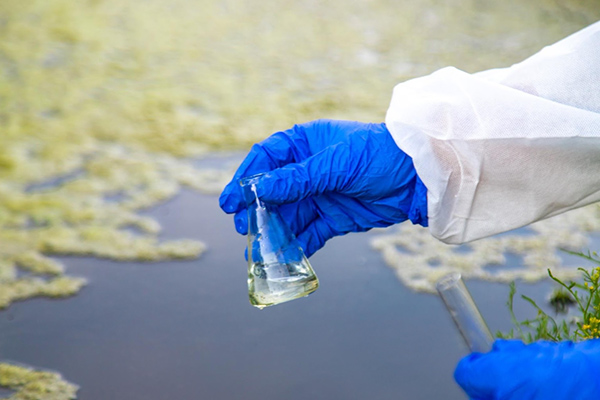
The introduction of systems for efficient fish processing, waste management, and reduction of harmful emissions is crucial for contributing to the circular economy. The use of ecological practices also involves preserving biodiversity, aligning industrial operations with ecological zones, and protecting natural resources. Education and raising awareness among producers, consumers, and the wider society about the importance of ecological practices are key to ensuring long-term sustainability in fish farming and processing.
Technological Innovations for Sustainability
Technological innovations represent a key factor in enhancing the competitiveness of the aquaculture sector and the fish processing industry in Croatia. Given the challenges faced by the sector, such as high transaction costs and small production volumes, the implementation of new technologies enables sustainability, reduces ecological footprints, and increases market competitiveness. One of the main strategic goals is to build strong market chains, reduce administrative barriers, and integrate advanced technologies that improve production efficiency. Smart farming systems, process automation, and packaging innovations allow the fish processing industry to make significant progress in resource conservation and reducing negative environmental impacts. The use of technologies such as sensors and monitoring of farming conditions can improve efficiency and reduce resource consumption, such as water and fish feed, while preventing excessive use of pesticides or antibiotics.
In the aquaculture sector, access to agricultural land is often an obstacle to further development, so optimizing land management systems could help facilitate the integration of small and medium-sized producers into market chains. Connecting these producers with the market, while applying high ecological standards and maintaining biodiversity, represents an important step toward sustainable production. The use of environmentally friendly systems, such as biofiltration and water recirculation, can reduce the negative environmental impact of aquaculture.
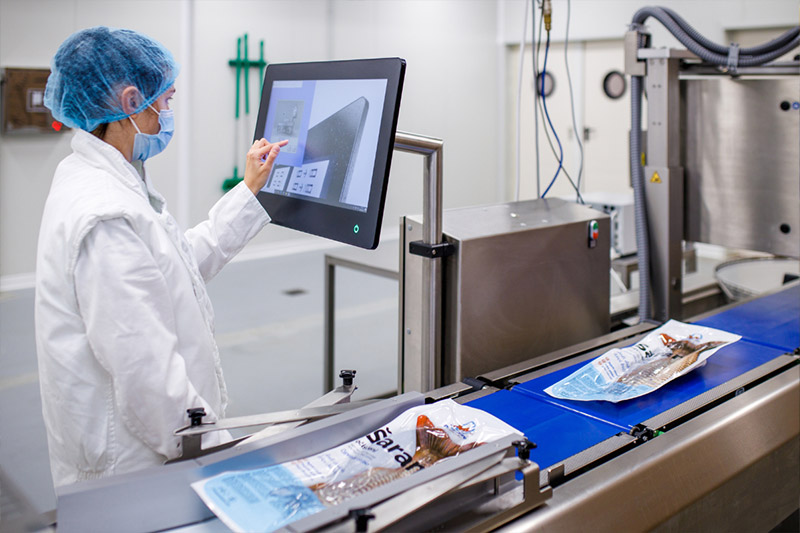
Additionally, in the fish processing industry, the use of renewable energy sources, such as solar panels and wind turbines, could significantly reduce energy consumption in production, which is otherwise energy-intensive. By implementing sustainable solutions, such as energy-efficient fish processing systems, Croatia can lower the ecological footprint of the industry, making it more environmentally friendly and competitive in the global market.
Digitalization is also an important trend shaping the future of the sector. Automation of production processes enables greater efficiency, cost reduction, and minimization of human error. Digital tools for monitoring product quality and optimizing production lines can improve the management of manufacturing processes, while also allowing better control over ecological standards and more efficient use of resources.
For the long-term sustainability of the aquaculture and fish processing sector in Croatia, strategic directions focused on innovation, ecological practices, and technological development are crucial. Investing in environmentally friendly technologies, developing sustainable business models, and implementing digitalization make Croatia more competitive in the global market. These technologies not only increase efficiency and reduce costs, but also enable significant protection of natural resources, which is essential for the long-term sustainability of this sector.
“Technological innovations and ecological approaches are key to the future of Croatian aquaculture and fish processing. By utilizing smart systems, automation, and renewable energy sources, we can increase competitiveness, reduce the ecological footprint, and ensure sustainability. Investing in modern technologies and digitalization provides an opportunity to lower costs and preserve the environment, which is crucial for the long-term growth of the sector. ” – Andreja, Head of Fish Processing and Production
Supporting Local Communities through the Fish Industry
The fish processing industry, particularly aquaculture, is of crucial importance for the economic development of rural communities in Croatia. This sector plays a vital role in creating new jobs, increasing competitiveness and productivity, thereby directly contributing to the strengthening of economic stability in these communities. The use of modern technologies and innovative business models enables increased production efficiency and opens new markets, improving the living standards of local communities.
The synergy between aquaculture and tourism provides additional opportunities for diversifying sources of income, while collaboration with local fish producers and processors strengthens regional connections and contributes to the long-term sustainability of the sector. In Croatia, where fish processing is crucial for product finalization, these connections bring mutual benefits—producers gain market access, and processors can expand their product offerings and stimulate demand, particularly in segments such as fillets and ready-to-eat fish products.
Financial support through fisheries development strategies also plays a key role in strengthening the sector, enabling infrastructure improvements and increased energy efficiency. Encouraging investment in environmentally friendly technologies and innovative farming methods, such as polyculture or integrated multi-trophic aquaculture, ensures sustainable growth and competitiveness.
Collaboration with other sectors, such as tourism and gastronomy, opens additional opportunities for revenue generation, thereby strengthening the local economy. The tourism sector in Croatia increasingly recognizes high-quality and sustainable fish as an important part of its gastronomic offerings, contributing to the preservation of cultural heritage, especially in areas with a tradition of fish farming. The application of modern technologies in fish processing in Croatia also enables greater efficiency and sustainability, which enhances the competitiveness of products in the market.
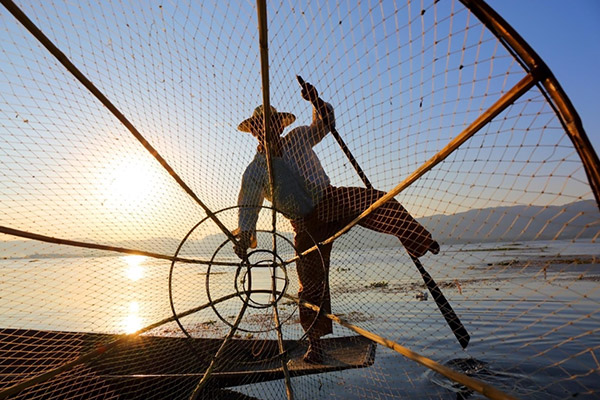
By introducing quality and geographical origin labels, EU aquaculture products can be linked to local food chains, promoting sustainable practices and adding value to the products. These labels play a key role in increasing the recognition of Croatian fish products, thereby contributing to greater competitiveness in the international market.
Sustainable aquaculture enables healthier food with minimal ecological impact, preserves biodiversity, reduces pollution, and contributes to the fight against climate change.
“The factory in our town has brought new energy and stability—opportunities for young people to stay, security for families, and a sense of connection and progress for the entire community. Collaboration between local producers and processors, along with a focus on quality and sustainability, raises living standards and strengthens our recognition, creating the foundation for a better future. “
– Nenad, Key Accounts Manager
The Future of Fish Processing in Croatia
Fish processing, particularly in the freshwater sector, is crucial for the Croatian economy, yet it faces challenges that require adaptation and innovation. Limited production, the need to modernize facilities, and environmental preservation remain priorities for the sustainable development of the sector.
The prospects for further development of the sector are optimistic. Key steps include the implementation of ecological practices and the expansion of the production range with a focus on species that have high potential but are currently underrepresented. Encouraging the development of higher value-added products is also essential to strengthen competitiveness. The development of new technologies and the application of sustainable practices in aquaculture, such as the use of renewable energy sources and the integration of ecological methods, can significantly enhance Croatia’s position in international markets.
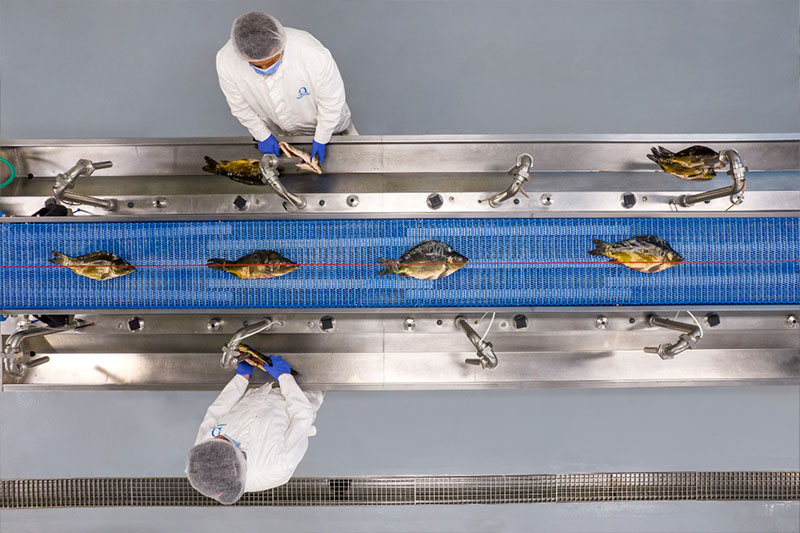
Improving production capacities and increasing market concentration could further boost the export of freshwater products and processed goods, opening new markets and providing opportunities for stronger competition. By implementing modern technologies, strengthening branding, and focusing on sustainability, the Croatian fish processing industry can ensure long-term stability and success.
For the successful development of the sector, it is essential to ensure adequate support through infrastructure investments, as well as to promote education and workforce training to meet the demand for new knowledge and skills. Increased market collaboration and the integration of local producers into global supply chains can ensure the long-term sustainability of the sector.
Fish processing in Croatia can experience a boom through continuous investment in modern technologies, sustainable practices, and expansion of the production range. Only through ongoing innovation, strengthening competitiveness, and collaboration with global markets can the sector ensure long-term stability and growth, both domestically and internationally.
“Fish processing has great potential, but maintaining competitiveness requires continuous investment in modernization and sustainability. The key to success lies in better utilization of raw materials, the development of higher value-added products, and workforce education. By developing new, high-quality products and empowering local communities, we can increase competitiveness and strengthen Croatia’s position as a country with premium fish products. ” – Nataša, Regional Head of Fish Farms